

Executives often treat pricing as a finance exercise, but, when approached correctly, pricing is a strategic system that dictates how you compete, how you are perceived, and how you grow.
Confident pricing actions create a measurable margin premium for companies that execute them well. Most companies underestimate this leverage.
This newsletter will be the first within a series which will, hopefully, reframe pricing as the strategic capability it should have always been.
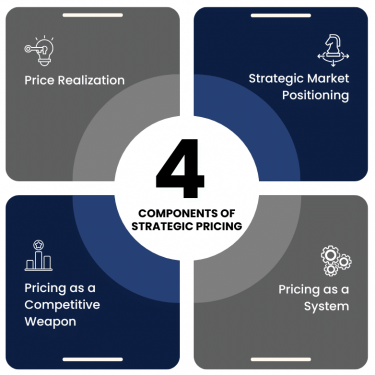
The Four Components of Strategic Pricing
Strategic pricing blends economics, perception, competitive context, and operational rigor. This series will help break down that architecture.
1) Price Realization: The Hidden Battle
Most organizations have a price realization problem, with significant differences between list and realized price.
This means, value is quietly eroded through unmeasured discounts, rebates, and free add-ons. Quantifying the gap usually reveals a high-impact financial opportunity to boost margin without cost cuts and layoffs. You simply keep more of what you already earn.
2) Strategic Market Positioning: Price as a Signal
Price communicates what segment you play in, the expected level of value you deliver, and the outcomes buyers should receive.
- Premium pricing strengthens category leadership when backed by proven value.
- Penetration pricing accelerates adoption when scale matters most.
- Dynamic models defend margins by reacting to real-time market shifts.
Pricing only works when it aligns with your brand promise and market position, which is something we’ll cover further with our upcoming newsletter series.
3) Pricing as a Competitive Weapon
Pricing can drag you into a war or put you in a position of strength. However, to determine which way your price change will push you, you need to have strong competitive pricing intelligence.
The strongest pricing programs integrate competitor pricing analysis, discount patterns, buyer expectations, and market signals into a disciplined decision process. Pricing should be a key offensive weapon for you to use against competitors, not a defensive reaction.
4) Pricing as a System
The strongest companies treat pricing as an operating system where:
- Prices match customer value
- Decisions reflect actual competitor behavior, not assumptions
- Governance connects sales, marketing, product, finance, and strategy
Strategic pricing is where positioning and economics meet while being supported by competitive intelligence and internal economics data to maximize firm margin and value to buyers.
Why This Series Starts Here
Most companies treat pricing as a spreadsheet update or a last-mile negotiation tactic, but this series reframes pricing as a strategic capability. In the coming weeks, we will explore how to uncover hidden competitor pricing, enforce discipline through commercial governance, and build a high-performance pricing engine.